Dessert
Chocolate Chip Cookies
Crisp edges, soft middles. The first route everyone should learn.
3 lines · 8 steps · 9 ingredients
$4.50
Recipes you can see
Culinary Routes draws cooking the way a transit map draws a city: ingredients are stations, techniques are interchanges, and every coloured line ends at dinner. See the whole dish at a glance, cook from the map, then order the laminated card for your kitchen.
The route for Chocolate Chip Cookies. Two short lines meet at the fold; the dough line carries on to the oven. Hover a line to follow it, click an interchange to read the step.
How to read a route
A written recipe hides its structure in prose. A route shows it: what can happen in parallel, where things meet, and exactly what each step is waiting for.
Each circle is one measured ingredient, placed right before the step that needs it. The tint says what kind of thing it is.
Rounded squares are the work: cream, sift, sear, bake. The icon moves. Underneath: temperature and time. Above: what comes out.
A colour is a sub-recipe you can run on its own. Where lines merge, two things you made become one.
Every route ends at a double ring: the finished dish and how much it makes.
Featured routes
Every route is sold on its own. Pick the ones you will actually cook.
Crisp edges, soft middles. The first route everyone should learn.
A twenty-minute sauce and a pot of salted water, timed to meet in the pan.
Four short lines of prep, then ninety seconds of very high heat.
A custard that asks for patience twice: once in the oven, once in the fridge.
Eggs poached in a spiced tomato sauce, served from the pan it was made in.
Warm stock on one burner, rice on the other, and twenty minutes of stirring.
Why a map
Put the pasta water on before the sauce. Warm the stock while the shallots sweat. The map shows what is independent, so you stop cooking in single file.
Every route is validated before it is published: heat steps carry an explicit temperature, every step has a time or an observable cue, and no ingredient is left unused.
Screens lock, books flop shut. Each route prints on a rigid, wipe-clean 5×7 card that stands up next to the stove and goes back in the box when you are done.
The physical card
A cookbook sells you two hundred pages for the twelve you wanted. Culinary Routes sells one recipe at a time, printed to last.
Collections
Bundles of four, priced below the sum of their cards.
4 routes
Four routes, all under 45 minutes, all with parallel lines you can run at once.
Living processes
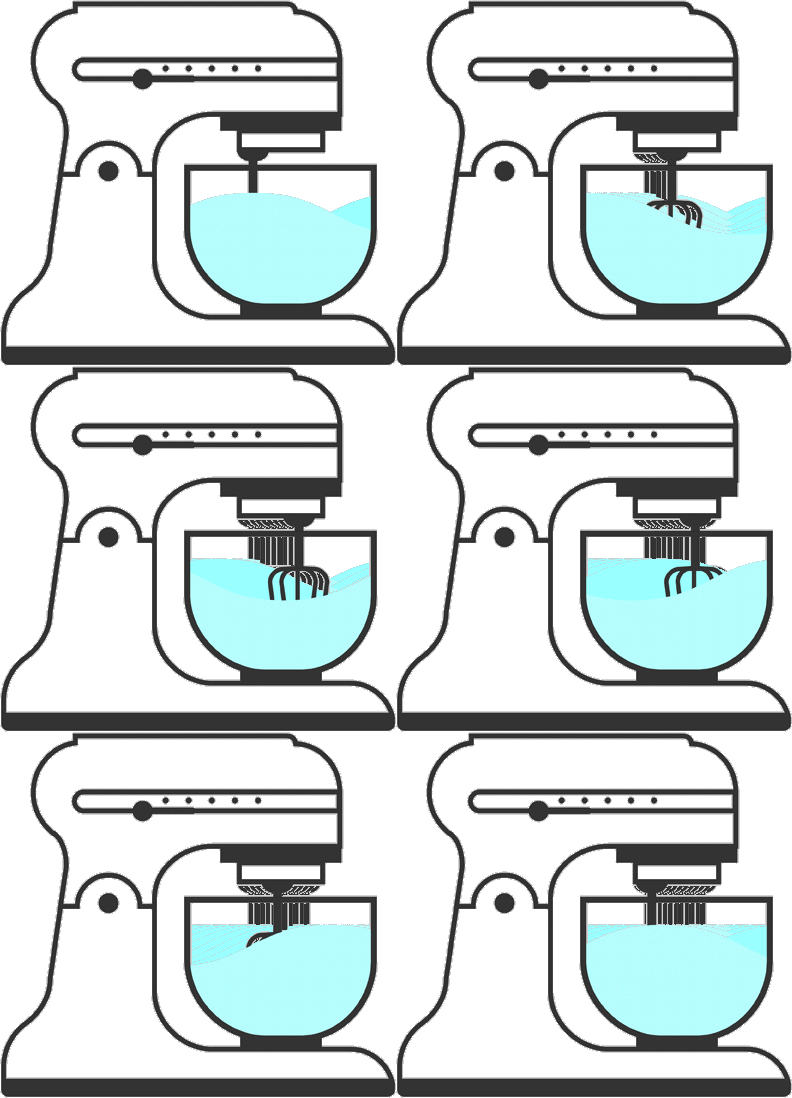
Each technique has its own icon and its own small motion, so you can tell a simmer from a sear across the kitchen. Where a recipe calls for it, an interchange can also carry a full illustration.
 Illustrated
The backbone
Under each card is a small, strict data model: typed ingredients, steps that name what they consume and what they produce, lines that group the parallel work. The map, the written steps and the printed card are all rendered from it, so they can never disagree.
{
  "id": "combine",
  "line": "dough",
  "process": "fold",
  "inputs": [
    "wet-mix",
    "dry-mix"
  ],
  "output": {
    "id": "dough",
    "name": "Dough"
  },
  "instruction": "Add the dry mix to the wet mix in two additions and fold on low speed just until no streaks of flour remain. Overmixing makes tough cookies.",
  "cue": "no dry streaks"
}